Watercolor Design Elements: Authentic Texture for Modern Projects
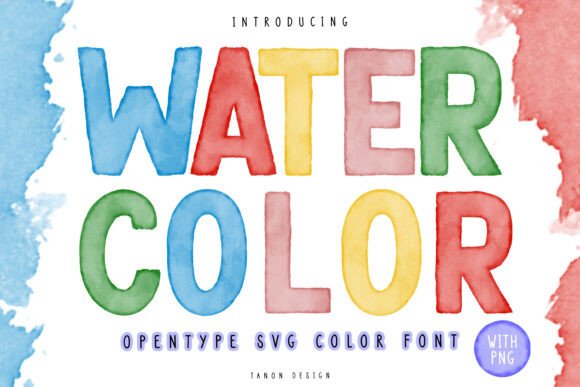
Imagine a design that doesn't just sit on the background but feels integrated with it, where type and texture blend into a cohesive visual story. This is the power of using a high-quality watercolor texture brush stroke font, a resource that brings an organic, handcrafted aesthetic to digital work. For designers seeking to break away from sterile, flat graphics, this style offers a tangible depth that immediately captures attention and conveys warmth.
The Role of Organic Texture in Visual Communication
In an era dominated by clean digital interfaces, the strategic use of natural textures like watercolor serves as a powerful counterpoint. It introduces a human element, evoking feelings of authenticity, creativity, and care. This approach is far from a fleeting trend; it's a fundamental tool in visual design for creating emotional resonance. When applied thoughtfully, it can strengthen brand identity, making a logo or marketing piece feel more approachable and memorable. The key lies in its application—it's not about overwhelming a design, but about adding a layer of sophistication and personality that flat colors cannot achieve.
Practical Applications Across Creative Fields
The versatility of a watercolor texture font and its accompanying assets makes it a valuable addition to any designer's toolkit. Its realistic texture allows for seamless integration into various projects, ensuring the final product looks polished and intentional. Consider these practical uses:
- Branding & Logo Design: Create logos that stand out with an artisanal touch, perfect for boutique brands, cafes, or wellness companies.
- Marketing Materials: Design brochures, flyers, and posters that feel premium and engaging, improving reader retention.
- Social Media Graphics: Develop scroll-stopping Instagram posts, Facebook ads, and Pinterest pins that boost engagement and shareability.
- Website & UI Elements: Use subtly in headers, hero sections, or call-to-action buttons to add warmth without compromising usability or visual hierarchy.
- Packaging & Merchandise: Design product labels, t-shirt graphics, and mug artwork that stand out on shelves and in online stores, enhancing perceived value.
- Editorial & Digital Products: Enhance e-book covers, presentation slides, and online course materials for a more professional and appealing presentation.
Integrating Texture Effectively: A Designer's Guide
Simply having a watercolor asset isn't enough; successful integration requires a strategic design workflow. First, consider consistency. If you're using a textured font, ensure the texture's style and color palette align with your broader brand system. The goal is cohesion, not chaos. Second, prioritize readability. While the texture is beautiful, the message must remain clear. Test your designs at various scales to ensure text is legible, especially for UI design or digital marketing where quick comprehension is vital.
Compatibility is another crucial factor. The provided Opentype SVG Color font is a cutting-edge resource, but it requires modern software like Photoshop CC 2017+ or Illustrator CC 2018+ to function. For those without this software, the bonus PNG transparent files offer a perfect alternative. These high-resolution assets (1200 px, approx. 4 inches) allow for drag-and-drop use in any design program, ensuring everyone can achieve the same stunning effect for their creative projects.
Finally, think about composition and contrast. A watercolor texture works best when paired with clean, simple elements. Balance it with solid shapes, ample white space, or minimalist typography to create a dynamic visual hierarchy that guides the viewer's eye. This contrast prevents the design from feeling cluttered and ensures the texture enhances rather than distracts from the core message.
Ultimately, the most effective designs are those that marry aesthetic appeal with clear communication. Investing in high-quality, versatile creative assets like a realistic watercolor font system empowers you to produce work that is both visually captivating and strategically sound. By thoughtfully applying such elements, you elevate your projects from mere graphics to compelling visual narratives that resonate deeply with your audience.