Retro 70s: A Bold Display Font for Modern Design
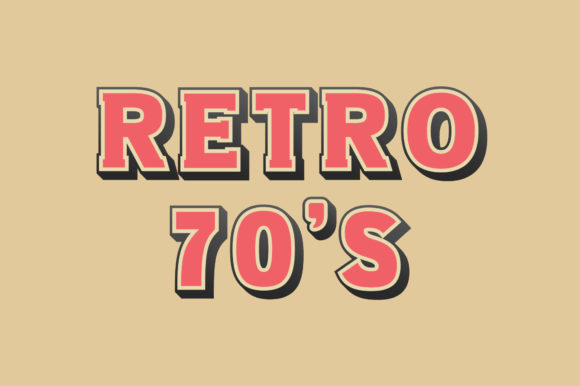
In the ever-evolving landscape of graphic design, the right typography can be the secret weapon that transforms a good concept into an unforgettable visual statement. The Retro 70s font, a bold and fun display typeface, captures the vibrant, groovy energy of the 1970s while delivering a powerful punch for contemporary creative projects. Its distinctive, color-filled characters are engineered to make headlines pop, logos leap off the page, and social media graphics instantly command attention.
Understanding the Power of a Display Font
Display fonts like Retro 70s are crafted for impact, not for body text. Their primary role is to establish a strong visual hierarchy, guide the viewer's eye, and inject personality into a design. In modern branding and visual communication, this typeface serves as a creative asset that can define a brand's entire aesthetic. Its playful, nostalgic vibe is perfect for brands aiming to convey fun, authenticity, or a connection to retro design trends.
Practical Applications Across Creative Fields
The versatility of Retro 70s extends far beyond simple nostalgia. Its unique, color-filled OpenType-SVG format makes it a standout choice for numerous applications where visual engagement is key. Consider integrating it into your design workflow for:
- Branding and Logo Design: Create a memorable brand identity with a logo that feels both retro and refreshingly modern.
- Marketing Materials: Design eye-catching posters, flyers, and digital ads that stop scrollers in their tracks.
- Social Media Graphics: Boost engagement with bold titles and callouts for Instagram stories, YouTube thumbnails, and Facebook posts.
- Packaging and Product Design: Make products stand out on shelves or in online listings with packaging that tells a story through typography.
- Web and UI Design: Use it for hero sections, landing page headlines, or featured content to create a striking user experience.
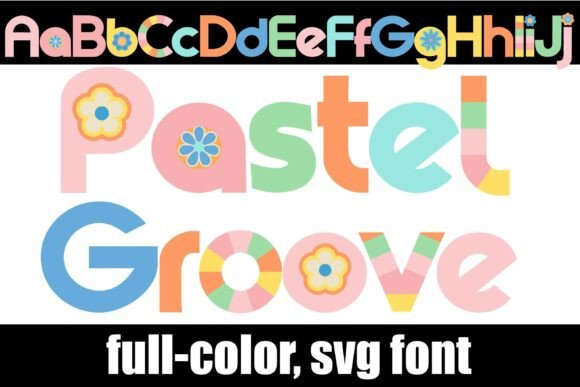
It is important to note that as an OpenType-SVG color font, Retro 70s offers rich, multi-color effects directly in the text. This capability is a game-changer for digital design, editorial layouts, and high-resolution print projects. However, designers should be aware of its compatibility—it works seamlessly in professional software like Adobe Photoshop, Illustrator, and Inkscape, but is not supported by Cricut machines.
Tips for Effective Implementation
To maximize the impact of a bold font like Retro 70s, thoughtful application is crucial. Here are key considerations for your design projects:
- Establish Visual Hierarchy: Use it exclusively for headlines, titles, or short, impactful phrases. Pair it with a clean, neutral sans-serif or serif font for body text to ensure readability and balance.
- Align with Audience and Goals: Ensure its playful, retro character aligns with your target audience's expectations and your project's core message. It excels in contexts related to music, events, food, lifestyle, and entertainment.
- Test for Scalability: While its detail is a strength, always preview how the font renders at different sizes, especially for digital applications like website hero banners versus small social media icons.
- Leverage Color Theory: Since the font itself is colorful, consider how its built-in palette interacts with your broader color scheme. Sometimes, a contrasting background can make it sing even louder.
Incorporating a specialized font like Retro 70s is more than a stylistic choice; it's a strategic decision in visual communication. It demonstrates an understanding of how typography shapes emotion and perception. By selecting high-quality, purpose-driven creative assets, designers and brands can craft cohesive, professional presentations that resonate deeply with their audience, turning every piece of communication into a compelling visual experience.