Tiny Flowers Font: A Blossoming Design Asset
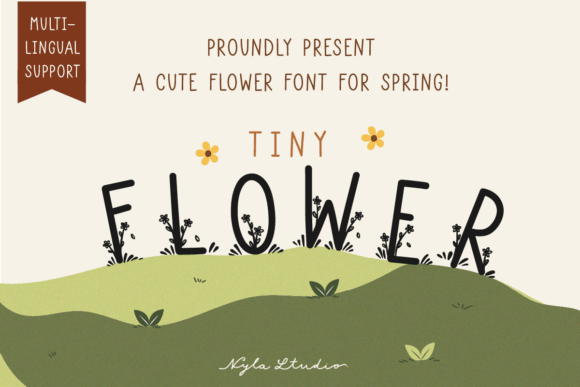
In the ever-evolving landscape of graphic design, typography often serves as the silent ambassador of a brand’s personality. For creators seeking to infuse projects with warmth, whimsy, and organic charm, the right typeface can transform standard text into captivating visual art. The Tiny Flowers font embodies this transformation perfectly. As a cute, decorative typeface, it features delicate floral embellishments that immediately evoke the freshness of spring and summer. It is not merely a collection of letters; it is a visual design tool that adds instant character to any layout, making it an essential asset for designers looking to break away from rigid, corporate sans-serifs.
Enhancing Visual Communication with Typography
Effective visual communication relies on the harmony between content and style. While clean, minimalist fonts are excellent for body text, they often lack the emotional resonance needed for headers or focal points. This is where Tiny Flowers excels. By integrating floral motifs directly into the letterforms, this font creates an immediate emotional connection with the viewer. It speaks a language of playfulness and care, which is vital for projects that aim to feel approachable and friendly. In branding, this type of stylistic choice helps differentiate a business from its competitors, offering a unique voice that resonates with specific target audiences.
Practical Applications for Modern Creators
The versatility of decorative fonts like Tiny Flowers allows them to shine across a wide spectrum of creative projects. Whether you are working on digital assets or physical merchandise, the font adapts to various contexts while maintaining its distinct aesthetic. Its utility spans across multiple design disciplines, offering solutions for both personal and commercial use.
Consider integrating this style into the following areas:
- Logo Design & Brand Identity: Use the font to create memorable wordmarks for bakeries, florists, lifestyle blogs, or boutique clothing brands that want to project a soft, organic image.
- Packaging Design: Elevate product labels for cosmetics, artisanal goods, or seasonal treats. The intricate details of the font add a premium, handcrafted feel to physical products.
- Social Media Graphics: Capture attention in crowded feeds with eye-catching headers and quotes. The playful nature of the font increases engagement, particularly for lifestyle and event-based content.
- Invitation Cards & Greeting Cards: Perfect for weddings, baby showers, and Easter designs, the font sets a joyful tone immediately upon opening the envelope.
- Merchandise: From t-shirts to mugs and stickers, Tiny Flowers translates beautifully to print-on-demand products, offering a trendy aesthetic that appeals to consumers looking for cheerful apparel and accessories.
Integrating Decorative Fonts into Your Design Workflow
While decorative fonts are powerful, they require thoughtful application to ensure professional presentation. The key to using Tiny Flowers effectively lies in understanding visual hierarchy. Because the font is rich in detail, it is best suited for headlines, sub-headers, and short bursts of text rather than long paragraphs. Using it for body copy can hinder readability; however, when used as an accent, it guides the user's eye and highlights key messages.
When selecting a color palette to accompany the font, consider hues that complement its organic nature. Pastels, earth tones, or vibrant botanical colors can enhance the floral theme. Conversely, pairing the font with a stark, modern sans-serif can create a beautiful contrast, balancing the whimsy of the flowers with the stability of modern aesthetics. This pairing technique is a staple in editorial design and web design, ensuring that the layout remains structured while still being visually exciting.
Evaluating Quality and Compatibility
For designers and business owners, the usability of a font is just as important as its style. When incorporating Tiny Flowers into your toolkit, evaluate its scalability. A high-quality vector-based font will retain its clarity whether it is scaled up for a poster or shrunk down for a sticker. Furthermore, consider how the font aligns with your existing brand identity. Does it support the narrative you are trying to build? Does it appeal to the user experience (UX) expectations of your audience? Answering these questions ensures that your design choices are strategic rather than merely aesthetic.
Ultimately, the goal of any design asset is to facilitate better communication. Tiny Flowers offers a unique way to soften the digital experience, bringing a touch of nature and joy into everyday interactions. By carefully selecting and applying such creative assets, designers can significantly enhance the quality of their work, ensuring that every project not only looks beautiful but also communicates its message with clarity and charm.